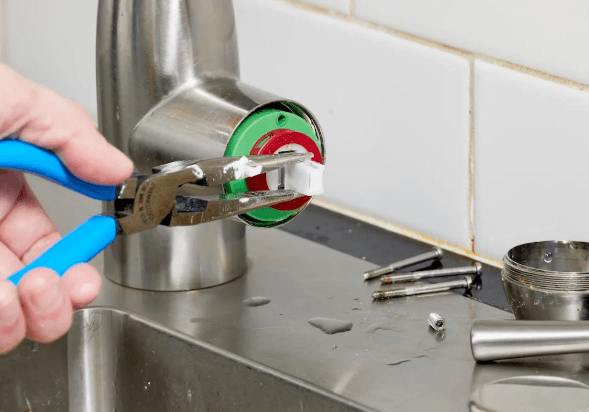
Identifying the faucet type is the first step, noting handle setup and cartridge access. The guide then separates washer-based and cartridge-based fixes, outlining precise disassembly, inspection, and part replacement. Tools are matched to the model, with careful reseating and tightening to spec. Cleanliness and proper resealing matter to prevent recurrence. After reassembly, tested water flow confirms results. The method is straightforward, but each detail matters for a durable fix, and the next steps will determine if a quick solution suffices or a more thorough approach is needed.
Identify Your Faucet Type and Tools Needed
To identify the faucet type and the tools needed, begin by observing the handle configuration and the cartridge access point.
The assessment notes a leaky faucet pattern, potential common causes, and possible corrosion.
Faulty handles may signal replacement needs.
Accurate identification guides tool selection, reduces guesswork, and fosters freedom from unnecessary delays while planning a precise, minimal-disruption repair.
Step-by-Step Fix for Washer-Based Faucets
After confirming a washer-based mechanism in the prior step, proceed with a hands-on repair sequence.
Disassemble the stem assembly, inspect the washer, and replace if worn.
Reassemble cleanly, ensuring seats seal evenly.
Check for leaks at the valve body and tighten to manufacturer spec.
Test water pressure, then reassemble handle hardware, keeping fixing tools within reach and motion deliberate.
Step-by-Step Fix for Cartridge-Based Faucets
Clear tear-down steps follow, focusing on precise disassembly, seal inspection, and cartridge seating.
Use leak diagnosis to assess residual seepage, then apply deliberate tool selection for removal and replacement, ensuring a clean, secure seal.
Quick Troubleshooting to Prevent Drips Long-Term
A quick, long-term approach follows the cartridge-focused fix, emphasizing habits and checks that prevent future drips. Regular inspection of seals and supply lines supports drips prevention, while replacing worn washers promptly reduces risk. Implement a simple maintenance routine: clean aerator screens, track faucet usage, and schedule annual calibrations. This long term maintenance mindset preserves performance and minimizes recurring leaks.
See also: Blockchain Governance Models Explained
Frequently Asked Questions
Can a Leaky Faucet Cause Water Damage Over Time?
A leaky faucet can raise leakage risk and cause hidden damage over time. It may erode seals, promote mold, and degrade structures, so ongoing attention is prudent for those who value freedom from unseen consequences.
Do Worn Seals Affect Water Pressure Besides Dripping?
Yes, worn seals can reduce water pressure in addition to causing leaks. In a methodical view, worn seals impede flow, lowering pressure, while maintenance would restore proper water pressure by replacing seals and inspecting valve components for obstructions.
Is It Safe to Reuse Old Faucet Parts?
Reusing parts can compromise safety considerations and reliability. Reusing parts is risky; reusing parts may leak, wear, or fail. Reusing parts demands caution, documentation, and testing; safety considerations dictate replacing worn components rather than recycling questionable hardware.
When Should I Replace a Faucet Instead of Repair?
Replacement timing depends on fixture age, recurring leaks, and repair cost. When repairs exceed replacement value or reliability declines, opt for replacement. In contrast, repair vs replacement favors maintenance if components are accessible, affordable, and performance remains satisfactory.
Can Dripping Faucets Indicate Pipe Issues Nearby?
Drips indicate readiness or pipes nearby; leaks signal corrosion, hidden damage. The question is answered by noting that dripping can point to upstream issues, while persistent leaks reveal more serious deterioration requiring inspection, environmental awareness, and measured remediation.
Conclusion
This practical guide offers a gentle finale: with patient care and proper parts, a lingering drip becomes a fleeting whisper. By following precise steps for washers or cartridges, plus timely reseating and testing, minor flaws yield to routine upkeep. A calm, methodical approach minimizes future leaks and preserves faucet life. Maintenance becomes a quiet habit, not an urgent crisis, letting water flow as intended. In short, thoughtful care often eases the drip into distant memory.