Choosing adaptive equipment is a cornerstone of effective rehabilitation for both children and adults. The right device can restore independence, improve function, and reduce caregiver burden, while the wrong choice can impede progress and increase risk. Clinicians, families, and patients must balance medical needs, developmental stage, environment, and personal preferences when selecting aids for mobility, communication, self-care, and cognition. This article examines practical strategies to guide selection across the lifespan, highlighting assessment, customization, training, and long-term planning.
Comprehensive assessment as the foundation
The selection process should always begin with a holistic assessment. A thorough evaluation includes medical history, current functional abilities, physical measurements, cognitive status, and psychosocial context. For children, assessments must account for growth trajectories and classroom or playground demands. For adults, consider comorbidities, work responsibilities, and home layout. Observe the person performing relevant tasks; direct observation often reveals compensatory patterns or environmental barriers that standardized measures miss. Input from family members, teachers, or employers adds vital context about daily routines and priorities.
Defining meaningful goals
Adaptive equipment is most effective when tied to clear, meaningful goals. Goals might be short-term, such as enabling a child to participate in a classroom activity, or long-term, like maintaining independence for an adult with progressive disease. Prioritize goals that align with the person’s values: social participation, school attendance, pain reduction, or safe mobility in the community. Clear goals help narrow options and provide criteria for trialing and measuring success. They also guide decisions about trade-offs between portability, durability, and complexity.
Matching device features to function
Selecting equipment requires careful matching of device features to the intended function. For mobility, factors include weight capacity, turning radius, and terrain adaptability. Seating systems should address postural support, pressure redistribution, and ease of transfer. Communication devices must align with cognitive and language abilities and offer appropriate access methods, whether touch, switch, or eye gaze. When possible, trial devices in the environments where they will be used. Try-before-you-buy programs and loaner libraries allow users to experience real-world demands. Consider modularity: devices that can be adapted as skills change or as a child grows are often more cost-effective.
Pediatric-specific considerations
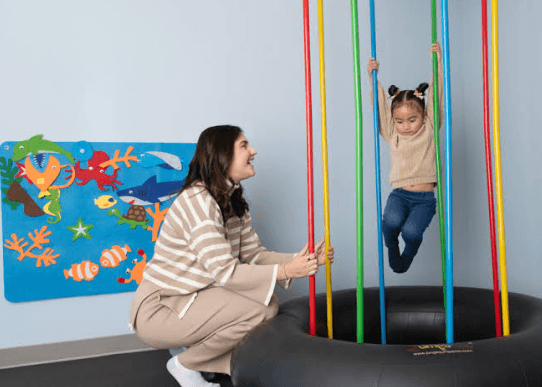
Children are not small adults; selection criteria reflect growth, play, and learning needs. Durability and adjustability are paramount because children grow quickly and often subject equipment to rough use. A child’s sensory profile and motor control influence choices: a highly sensitive child might need soft textures and quiet operation, while a child with low muscle tone may require extra support for alignment. Encourage participation in play and school with devices designed to be engaging and age-appropriate in appearance. Ensure that equipment supports typical development—promoting active movement, fine motor skill acquisition, and social interaction—rather than creating reliance on passive positions.
Adult-specific considerations
Adults often face different priorities, including work duties, maintaining intimate relationships, and community mobility. Aesthetic considerations and stigma can influence acceptance, so offer options that match lifestyle and clothing preferences. Technology integration may be important for adults who rely on computers for work; compatibility with smart devices and assistive software is worth evaluating. In progressive conditions, plan for future decline by choosing equipment that is scalable or easy to replace. Address safety concerns related to falls, pressure injuries, and medication management when recommending devices for adults with multiple health issues.
Customization, fitting, and professional collaboration
Effective selection rarely happens in isolation. Collaboration among occupational therapists, physical therapists, speech-language pathologists, physicians, and equipment vendors ensures comprehensive solutions. Proper fitting is critical: a wheelchair or seating system that is not custom fitted can cause skin breakdown, poor posture, and pain. Custom attachments and orthoses should be based on objective measurements and functional trials. Documentation of measurements and rationale supports funding requests and future adjustments. When custom fabrication is necessary, involve clinicians who understand both biomechanics and daily routines.
Training, practice, and caregiver support
Introducing equipment requires training for the user and those who support them. Practice in varied environments builds competence and confidence. For pediatric cases, integrate training into play and school routines so skills generalize. For adults, focus on tasks that preserve independence and safety in real-world contexts. Caregivers benefit from instruction on transfers, maintenance, and troubleshooting. Set realistic timelines for skill acquisition and schedule follow-ups to address emerging issues or to recalibrate settings as abilities change.
Safety, maintenance, and durability
Safety assessment must consider device stability, appropriate weight limits, and secure fastenings. Maintenance plans reduce wear-and-tear and prevent equipment failure that could compromise safety. For children, check fastenings and moving parts frequently. For adults, consider the implications of device failure for independence and health. Choose materials that withstand expected use and environmental exposure. When selecting batteries or electronics, verify support for replacements and software updates to avoid obsolescence.
Funding, sourcing, and sustainability
Cost and access are practical realities. Explore public funding, insurance, charitable organizations, and manufacturer programs to identify options. Document functional limitations and goals clearly to strengthen funding applications. Consider sustainability: devices that can be adjusted, repaired, or repurposed reduce long-term costs and environmental impact. Where possible, choose vendors who offer ongoing service, warranties, and training resources to support the user over time.
Monitoring outcomes and planning for change
After implementation, monitor outcomes against the initial goals. Use both objective measures and user-reported outcomes to assess effectiveness. If the equipment does not meet goals, modify or trial alternatives rather than persisting with an ill-fitting solution. For growing children and adults with progressive conditions, schedule periodic reassessments to adjust equipment as needs evolve. A plan for transitions—school to community, work changes, or disease progression—ensures continuity of function and participation.
Selecting adaptive equipment for pediatric and adult rehabilitation is a dynamic process that blends clinical assessment, user-centered goals, practical constraints, and collaborative problem-solving. By prioritizing meaningful function, ensuring proper fit, and planning for change, clinicians and families can create solutions that enhance independence, participation, and quality of life. When making these decisions, clinicians often draw on tried-and-true resources such as occupational therapy tools to ensure choices are evidence-based, user-focused, and practical for daily life.