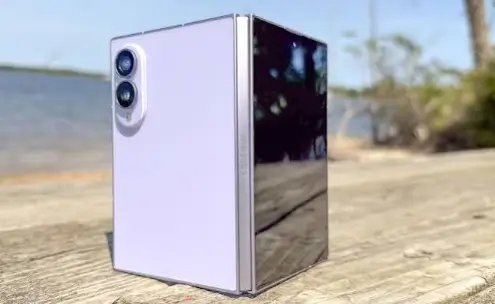
With so many models available at any given time, comparing samsung phones effectively requires knowing which specifications actually matter for everyday use versus which figures are more about marketing than meaningful real-world difference.
Display Size and Quality Considerations
Screen size and resolution vary across models, and while larger, higher-resolution displays generally look more impressive, shoppers should consider practical factors like one-handed usability and battery impact rather than assuming bigger and higher-resolution automatically means better for their specific needs.
Processor Performance for Real-World Use
While flagship models feature the most powerful processors available, many mid-range chips now handle typical daily tasks like browsing, messaging, and social media perfectly well, making raw processing power most relevant for shoppers who game heavily or run demanding applications regularly.
Camera Specifications Beyond Megapixel Counts
Megapixel count alone doesn’t determine camera quality, and shoppers comparing phones should look at factors like sensor size, aperture, and computational photography features, since a lower megapixel count paired with better underlying hardware often produces superior real-world photos.
Battery Life and Charging Speed
Battery capacity figures provide only a rough guide to real-world battery life, since actual usage depends heavily on screen brightness habits, app usage patterns, and network conditions, making it worth reading real-world usage reviews rather than relying solely on manufacturer-stated battery capacity.
Storage and Expandability Considerations
Some models offer expandable storage through a memory card slot while others don’t, a meaningful practical difference for shoppers who take lots of photos or store substantial media libraries directly on their device rather than relying on cloud storage.
See also: Building an AI Proctoring System: Face Detection, Tab Switching, and Secondary Camera Monitoring
Comparing Available Models Directly
For shoppers ready to compare specific models side by side, browsing the current samsung phones listings helps clarify actual specification differences and pricing across the available lineup.
Prioritizing Specifications That Match Actual Use
The most effective approach to comparison involves identifying which two or three specifications genuinely matter most for individual usage patterns, whether camera quality, battery life, or storage capacity, and prioritizing comparison around those factors rather than trying to optimize every specification simultaneously.
Frequently Asked Questions
Does a higher megapixel count always mean better photos? No, factors like sensor size, aperture, and computational photography processing often matter more for real-world photo quality than megapixel count alone.
How reliable are manufacturer battery capacity figures for predicting real-world battery life? These figures provide only a rough guide, since actual battery life depends heavily on individual usage patterns like screen brightness habits and app usage, making real-world reviews a more reliable comparison source.
Why might expandable storage matter to some buyers but not others? Buyers who take lots of photos or store substantial media directly on their device benefit meaningfully from expandable storage, while those who rely primarily on cloud storage may find this feature less important.
Final Thoughts
Comparing Samsung phones effectively means looking past headline specifications to understand which factors genuinely affect real-world performance for individual usage patterns. Focusing comparison efforts on the two or three specifications that matter most leads to a more satisfying purchase than trying to maximize every spec simultaneously.