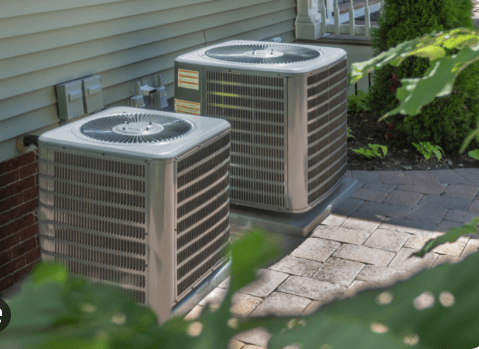
West Michigan homeowners face a distinct set of challenges when it comes to heating and cooling. Cold, snowy winters demand reliable warmth while humid summers require effective dehumidification and cooling. Choosing an HVAC solution that balances comfort, energy efficiency, and long-term cost requires understanding local climate factors, home construction, and the available technologies. Careful decisions up front can reduce monthly bills, improve indoor air quality, and extend equipment life.
Match System Type to Home Needs
The right system depends on your home’s size, layout, and existing ductwork. Traditional gas furnaces paired with central air conditioners still work well in many West Michigan homes, especially where natural gas is available and ducts are already in place. Heat pumps have evolved and are now an excellent option for milder winters and highly efficient all-in-one heating and cooling, including cold-climate models designed for northern regions. Ductless mini-split systems offer flexible heating and cooling for additions, garages, or houses without ducts, allowing room-by-room temperature control and eliminating the energy losses associated with ductwork.
Consider Local Expertise and Service
When evaluating contractors and products, look for professionals who understand regional issues such as lake-effect humidity, temperature swings, and common building types in West Michigan. For local heating and cooling West Michigan homeowners should prioritize licensed contractors with strong references, clear maintenance plans, and transparent warranty terms. Proper installation matters as much as the equipment itself; an oversized or poorly installed unit can increase energy use and reduce comfort.
Focus on Sizing, Efficiency, and Controls
Properly sizing an HVAC system requires a load calculation that considers insulation levels, window types, orientation, and occupancy. A system that’s too large will cycle frequently and fail to dehumidify; one that’s too small will run continuously and struggle during extreme temperatures. Look for equipment with high Seasonal Energy Efficiency Ratio (SEER) for cooling and high Annual Fuel Utilization Efficiency (AFUE) or Heating Seasonal Performance Factor (HSPF) for heating, depending on the technology. Smart thermostats and zoning controls increase efficiency by tailoring temperatures to occupied spaces and schedules, reducing wasted run time while maintaining comfort.
Air Sealing, Insulation, and Envelope Improvements
Even the most efficient HVAC system can underperform in a leaky, poorly insulated home. Sealing air leaks around windows, doors, and penetrations; adding attic and wall insulation; and ensuring proper ventilation create a stable indoor environment that reduces the system’s workload. Sufficient attic insulation and attention to basement and crawlspace sealing are particularly important in West Michigan’s variable climate. These envelope improvements often pay back through lower energy bills and increased comfort even before equipment upgrades are considered.
Manage Humidity and Indoor Air Quality
Humidity control is a crucial part of comfort in coastal and lakeshore areas. Air conditioning removes moisture, but during shoulder seasons you may need dedicated dehumidification to keep basements and living spaces dry. Energy recovery ventilators (ERVs) and heat recovery ventilators (HRVs) provide fresh air while minimizing energy loss, which is helpful in tightly sealed homes. Filtration that addresses common indoor pollutants—dust, pollen, and combustion byproducts—should be sized appropriately for the chosen HVAC system and updated regularly.
Maintenance and Seasonal Preparation
Regular maintenance extends equipment life and preserves efficiency. Annual tune-ups before the heating and cooling seasons should include cleaning coils, replacing filters, checking refrigerant levels, inspecting ductwork, and testing safety controls. Simple homeowner tasks like changing filters and keeping outdoor units clear of debris help performance. In winter, protect outdoor components from ice buildup and ensure condensate drains and pipes are insulated to prevent freezing.
Evaluate Costs, Incentives, and Long-Term Value
Initial cost, long-term operating expense, and available rebates all influence the best choice for your home. While high-efficiency units carry higher upfront prices, federal, state, and local incentives or utility rebates can substantially lower the cost. Calculate payback based on realistic winter and summer energy use rather than manufacturer claims. Consider durability and serviceability; a mid-efficiency system with reliable local support may offer better overall value than a top-tier brand with limited servicing options nearby.
Making the Final Decision
Selecting an efficient HVAC solution for a West Michigan home is a balanced process involving system selection, professional installation, envelope improvements, and ongoing maintenance. Start with an honest assessment of your home’s needs, request detailed proposals built on load calculations, and weigh both immediate costs and long-term savings. Work with contractors who can explain options simply, show local references, and provide clear maintenance plans. With the right approach, homeowners can achieve consistent comfort year-round, lower energy bills, and healthier indoor air—making the investment worthwhile for comfort and peace of mind.