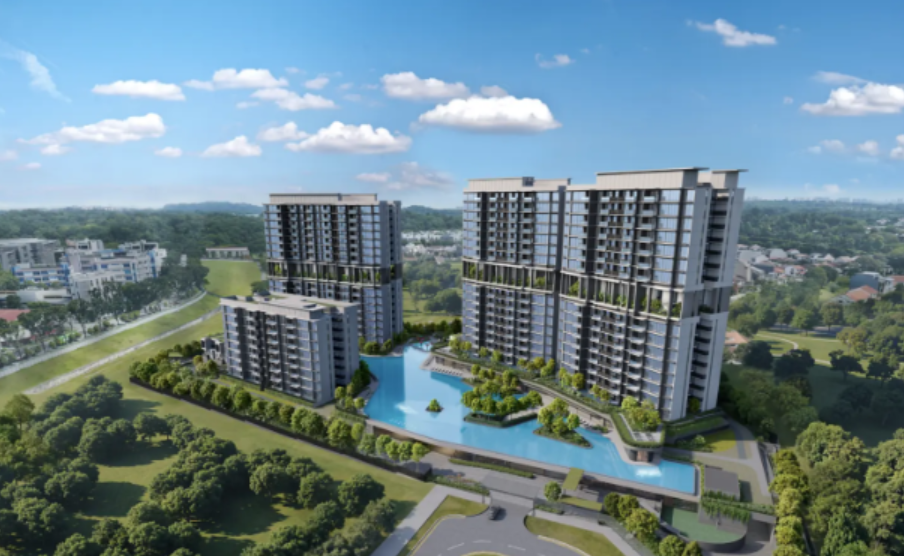
Investing in Singapore’s real estate market requires patience, research, and a clear understanding of market dynamics. Many investors seek properties like Thomson Reserve to secure stable rental income and long-term capital growth. As a premier global financial hub, Singapore offers a stable political climate and robust legal framework, making its private residential sector highly attractive. However, achieving long-term success in this competitive landscape involves more than just purchasing a premium unit. Successful investors analyze urban planning, financial regulations, and demographic shifts. This guide outlines the essential strategies you need to build a resilient and profitable condominium portfolio in Singapore over the next decade.
Leveraging the URA Master Plan for Growth
The Urban Redevelopment Authority (URA) Master Plan serves as a blueprint for Singapore’s future land use. Savvy investors study these development plans to identify regions poised for transformation. When the government introduces new MRT lines, commercial hubs, or green spaces, surrounding property values typically rise. For instance, the development of the Lentor region has drawn significant attention. Projects near Lentor Garden benefit from new transit links and retail options, driving demand among tenants and buyers alike.
Targeting Growth Corridors
Investing in areas earmarked for infrastructure expansion minimizes the risk of stagnation. Look for regions transitioning from quiet residential enclaves into vibrant, self-sustaining communities. The integration of nature parks and pedestrian-friendly paths near developments like Thomson Reserve enhances livability, which directly correlates with long-term capital appreciation. By aligning your purchase with state-led infrastructure projects, you secure a property that grows in value alongside the surrounding neighborhood. Avoid buying in fully mature areas where future development is limited, as these locations often show slower capital growth compared to emerging investment corridors. New transit lines, such as the Thomson-East Coast Line, drastically reduce commute times to the Central Business District, making suburban properties highly competitive.
Assessing Rental Yields versus Capital Growth
Condo investors must balance the desire for immediate rental income with the potential for long-term capital appreciation. While high-yield properties provide immediate cash flow to offset mortgage payments, they may offer limited capital gains over time. Conversely, premium developments in prime districts might yield lower rental percentages but deliver substantial capital gains upon resale.
Calculating Net Yield Accurately
Never rely solely on gross rental yield figures. To determine the true profitability of your investment, calculate the net yield by subtracting maintenance fees, property taxes, agent commissions, and vacancy costs from your rental income. A property near Lentor Garden might attract young professionals seeking modern amenities, ensuring low vacancy rates. On the other hand, larger family-sized units in suburban areas might experience longer vacancy periods but attract stable, long-term tenants. Analyze the demographic profile of the neighborhood to match your unit type with tenant demand. This targeted approach ensures consistent rental income, helping you sustain your investment through various market cycles without facing cash flow constraints. Additionally, consider the interest rate environment. High interest rates eat into net rental yields, making it crucial to maintain a healthy financial buffer. Stress-testing your portfolio against a two percent interest rate hike protects you from sudden market shifts.
Navigating Financial Regulations and Cooling Measures
Singapore’s property market is heavily regulated to prevent economic bubbles. Investors must understand the impact of cooling measures, including the Additional Buyer’s Stamp Duty (ABSD) and Total Debt Servicing Ratio (TDSR). These regulations directly affect your purchasing power and investment timeline.
Structuring Your Investment Capital
First-time buyers enjoy lower entry barriers, whereas seasoned investors purchasing second or third properties face substantial ABSD rates. To maximize returns, many investors utilize legal asset-structuring methods, such as purchasing under a single name or establishing a trust for children. However, these methods require careful legal guidance. Furthermore, the Loan-to-Value (LTV) limit restricts the amount you can borrow, meaning you must prepare a larger cash down payment for subsequent properties. Maintaining a liquid emergency fund equivalent to twelve months of mortgage payments protects your investment from foreclosure during unexpected financial downturns. Proper financial structuring ensures you can hold your property long enough to realize its full capital appreciation potential, rather than being forced to sell during a market dip. Understanding how these taxes impact your overall entry cost is vital. For example, a high ABSD rate requires a much higher capital growth rate just to break even upon resale, making entry timing crucial.
Choosing Between Freehold and Leasehold Properties
The choice between freehold and leasehold properties is a classic dilemma for Singapore condo investors. Freehold properties hold their value better over decades and do not suffer from lease decay. However, they carry a premium price tag, usually fifteen to twenty percent higher than comparable leasehold units in the same district.
Evaluating the Lease Decay Effect
Leasehold properties, typically holding 99-year leases, often offer higher rental yields because of their lower purchase prices. During the first twenty years of a leasehold property’s lifespan, its capital appreciation can match or even exceed that of a freehold property. However, as the lease crosses the forty-year mark, financing options for future buyers become restricted, and capital value begins to decline. If your investment horizon is ten to fifteen years, a well-located leasehold property near transit nodes can deliver excellent returns. Conversely, if you plan to pass the asset to the next generation, a freehold property represents a safer, wealth-preserving choice that resists the negative effects of lease decay. Always align this decision with your exit strategy. If your goal is a quick exit after the Seller’s Stamp Duty period, leasehold is highly efficient. For generational wealth, freehold remains king.
Analyzing Developer Quality and Estate Management
The physical quality of your condominium determines both tenant retention and future resale value. Reputable developers with a history of successful projects ensure high-quality construction, minimizing maintenance issues like water leakage or cracked walls.
The Role of Property Management
Excellent estate management preserves the aesthetic appeal and functionality of a condominium over time. Well-maintained swimming pools, gyms, and landscaped gardens keep the property competitive against newer developments. When visiting potential investments, observe the condition of the common areas. A poorly managed estate depreciates faster, driving away high-paying tenants. Furthermore, look for unique selling points such as smart home integration, energy-efficient appliances, and ample parking spaces. Properties that prioritize sustainability and modern living standards attract premium rental rates and hold their value during market downturns. Investing in a development backed by a stellar management team ensures your asset remains desirable for decades. In addition, check the developer’s track record for delivering projects on time. Construction delays can disrupt your financial planning and delay your rental income stream. Researching past projects gives you a clear picture of what to expect.
Conclusion
Achieving long-term success in Singapore’s condominium market requires a balanced approach combining meticulous financial planning, geographic analysis, and an understanding of government regulations. By focusing on growth corridors near projects like Thomson Reserve and evaluating the benefits of areas like Lentor Garden, you can position your portfolio for steady capital appreciation and reliable rental income. Remember to calculate net yields accurately, prepare for cooling measures, and choose the right tenure for your investment horizon. With patience and strategic planning, private residential properties in Singapore remain a highly rewarding asset class for preserving and growing your wealth.
block of wealth.