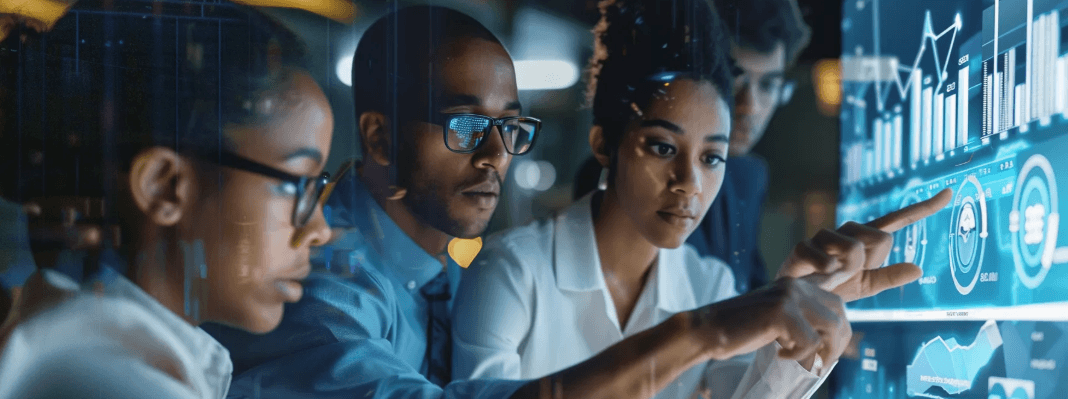
For businesses looking to enhance their online marketing efforts, leveraging AI to Run Google Ads offers a modern solution to boost conversion rates. As digital landscapes evolve, marketers aim to optimize ad performance and reach their target audience effectively. The integration of artificial intelligence into Google Ads campaigns provides unprecedented opportunities to refine strategies and achieve higher conversion rates. This article explores how AI can be strategically utilized in Google Ads, focusing on optimizing ad copy, enhancing targeting precision, and analyzing performance metrics.
Strategies for Leveraging AI in Google Ads Campaigns
Integrating AI into your Google Ads campaigns can significantly improve effectiveness through the use of Marketing Automation Platforms. These platforms streamline ad management by automating bidding, scheduling, and budget allocation. A key advantage of using AI is its ability to analyze vast volumes of data quickly, adapting to changes in consumer behavior and market trends. For instance, by employing Predictive Analytics Models, advertisers can forecast which ads are likely to succeed based on historical data and current user interactions. Moreover, utilizing AI to Run Google Ads can assist in the personalization of ads by utilizing Customer Data Platforms (CDPs) to gather and analyze customer information. This allows marketers to create more relevant ads that resonate with the targeted audience. Using AI-driven Programmatic Advertising, businesses can automate the buying of ad space, ensuring ads are served to the right people at the right time, thus enhancing the ad’s reach and effectiveness.
By integrating AI into your advertising strategy, you can not only streamline operations but also improve the accuracy and efficiency of your campaigns, leading to higher conversion rates.
Optimizing Ad Copy with AI-Driven Insights
Crafting compelling ad copy is essential for capturing the attention of potential customers. AI provides valuable insights into consumer behavior through Behavioral Targeting Strategies, allowing marketers to tailor ad content to specific audience segments. This personalized approach increases the likelihood of engagement and conversion.
Utilizing A/B Testing Frameworks with AI can also enhance ad copy efficacy. By systematically testing different versions of ads, AI can identify which elements drive the highest engagement. This continuous learning process helps refine messaging to better align with audience preferences.
Incorporating AI-driven insights into ad copy creation enables marketers to produce more targeted and compelling content, ultimately resulting in improved conversion rates and a stronger return on investment.
Enhancing Targeting Precision Through Machine Learning
AI’s ability to process large datasets makes it an invaluable tool for enhancing targeting precision in Google Ads. Through Multichannel Attribution, AI can track consumer interactions across various channels, offering a comprehensive view of the customer journey. This insight allows marketers to allocate budgets more effectively and target potential customers with greater accuracy.
Demand Side Platforms (DSPs) leverage machine learning to optimize ad placements automatically. By analyzing real-time data, DSPs adjust where ads are shown based on user engagement and conversion probabilities. This precise targeting ensures that ads reach the most relevant audience segments, increasing the chances of conversion.
Machine learning’s role in refining targeting strategies cannot be overstated. By focusing on the most promising prospects, businesses can maximize their advertising budgets and improve overall conversion rates.
Analyzing Performance Metrics to Maximize Conversion Rates
To maximize the impact of AI-driven Google Ads campaigns, analyzing performance metrics is crucial. AI tools enable marketers to delve into Conversion Rate Optimization (CRO) by assessing which strategies yield the best results. This involves a detailed examination of key performance indicators such as click-through rates, conversion rates, and cost per acquisition.
By implementing API Integrations for Marketing, businesses can seamlessly connect various platforms and analyze data more comprehensively. This integration facilitates real-time tracking of campaign performance, allowing marketers to make informed adjustments that enhance campaign outcomes.
Ultimately, AI provides the analytical power needed to fine-tune marketing strategies, ensuring that campaigns are continually optimized for maximum conversion effectiveness. To learn more about leveraging AI for improved ad performance, explore the capabilities of AI to Run Google Ads.
Conclusion

AI technology offers transformative strategies for boosting conversion rates in Google Ads campaigns. By leveraging advanced insights, optimizing ad copy, and refining targeting precision, marketers can enhance their advertising efforts significantly. For businesses aiming to stay competitive and maximize their marketing ROI, integrating AI into their Google Ads strategy is a powerful step forward.