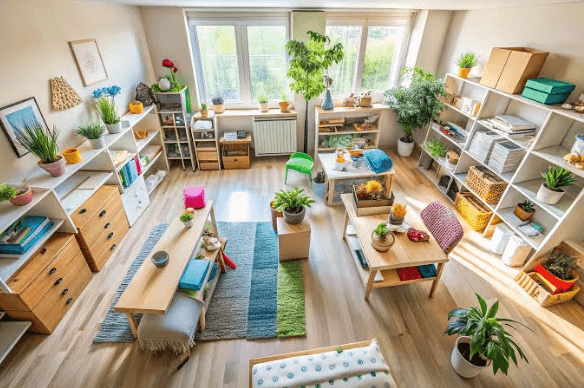
Turning a house into an organized, functional home starts with small, deliberate decisions that add up to lasting change. Organization isn’t a one-time project but a set of systems that support how you live. By defining priorities, designing spaces that match daily routines, and committing to simple habits, you can reduce stress, save time, and make your home more welcoming. The strategies below focus on practical adjustments you can apply room by room, without expensive overhauls.
Start With Clear Goals
Begin by asking what you want your spaces to do. Do you need a calmer living room for relaxation? A kitchen that supports meal prep for busy weeknights? A clear plan helps you avoid wasting time on changes that look good but don’t solve real problems. Set a few achievable targets for each area—like creating a morning-ready entryway or a clutter-free countertop—and use those targets to guide sorting decisions. If you need inspiration for where to begin, consider a quick review of what you reach for most often and what consistently creates friction. For many households, addressing those pain points first gives immediate wins that build momentum for larger projects, such as room-wide reorganizations or seasonal swaps.
Tackle Clutter with Purpose
Decluttering is less about ruthless purging and more about making thoughtful choices. Approach items with questions: Do I use this? Does it belong in this room? Would it make someone else happier if they used it more than I do? Start with small zones—one drawer, one shelf, or a single closet—so you can see progress quickly. For households with limited time, set a 15-minute decluttering window each day and let those short bursts accumulate into meaningful results. When you need practical ideas for what to remove or where to start, look for advice that fits your lifestyle and schedule, such as home decluttering tips that focus on frequent-use items and obvious duplicates.
Create Functional Zones
Think of each room as a series of zones arranged around activity. In a kitchen, create distinct areas for prep, cooking, and cleanup, and store related tools within arm’s reach of each zone. A living room should support relaxing, entertaining, and storing media; designate a drawer or basket for remotes and chargers so they don’t scatter. Bedrooms benefit from dedicated dressing areas and nightstand organization that keeps bedtime essentials accessible. Zoning reduces decision fatigue by making the logical place for an item obvious, which increases the likelihood it will be returned after use.
Use Storage That Works for Your Life
Storage must match how you actually use items, not how you wish you used them. Open shelving can be great for frequently used dishes or kids’ toys, while opaque bins and labeled containers work for seasonal items and paperwork. Choose storage solutions that are proportionate to the space—oversized furniture in a small room can make it harder to maintain order. Consider multi-functional pieces like ottomans with built-in storage or sofas with concealed compartments to maximize utility in tight spaces. Keep everyday items at comfortable heights, and store seldom-used belongings higher up or in less-accessible spots.
Manage Paper, Sentiment, and Small Stuff
Paper clutter and sentimental items are common stumbling blocks. Establish a simple paper routine: sort incoming mail immediately into categories for action, archive, and discard. A single inbox near the entryway helps prevent stacks from accumulating across surfaces. For sentimental objects, adopt a rotation strategy—display favorites for a season, then store the rest in a labeled container. Small items like cords, batteries, and hardware benefit from compartmentalized storage to avoid the “lost and found” effect. Regularly scheduled reviews of these collections prevent them from becoming unwieldy.
Build Daily Habits to Maintain Order
Long-term organization relies on lightweight daily habits rather than occasional deep cleans. Adopt routines such as a five-minute nightly tidy that returns items to their homes, a weekly surface wipe-down that reveals hidden clutter, and a monthly donation run to remove items that no longer serve you. Incorporating quick checkpoints into your existing rhythms—tidying while waiting for coffee to brew, for example—makes maintenance painless. Teach household members simple, consistent expectations about where items belong and how to reset shared spaces after use.
Involve Everyone in the Process
An organized home only works when everyone participates. Explain why systems matter and tailor responsibilities to age and ability. For children, make storage accessible and show them where toys go; for partners, agree on shared priorities and division of tasks. When people understand the underlying purpose—smoother mornings, less stress, easier cleaning—they’re more likely to buy in. Celebrate small successes to reinforce positive behavior and make adjustments when a system isn’t working.
Practical Tweaks That Make a Big Difference
Often the simplest changes yield the most impact. Swap out a crowded coat rack for individual hooks so jackets don’t pile up. Add a slim shelf near the entry for keys and wallets. Use under-shelf organizers to double vertical storage. Implement a one-in-one-out rule for items that tend to accumulate, like clothing or kitchen gadgets. Labeling can be surprisingly effective; clear labels reduce the time spent searching and increase the odds that items will be returned to their proper place.
Keep It Flexible
Finally, view your home’s organization as evolving. Life changes—new hobbies, kids growing up, different work patterns—will affect how spaces need to function. Periodic reassessment ensures your systems remain aligned with how you actually live rather than how you used to. Schedule a seasonal review to address clothing, gear, and paperwork, and be willing to adapt storage solutions when they no longer fit your routines.
An organized, functional home isn’t about perfection. It’s about creating practical systems that reduce friction and support the life you want to lead. With clear goals, purposeful decluttering, intentional zones, and simple daily habits, you can transform spaces into places that feel easier to maintain and more pleasant to inhabit.